Spreadsheet Proving Electric Car Will Pay for Itself Enters Fourth Revision
The savings are real, the owner maintains, and are currently located in a cell he has not yet reached.
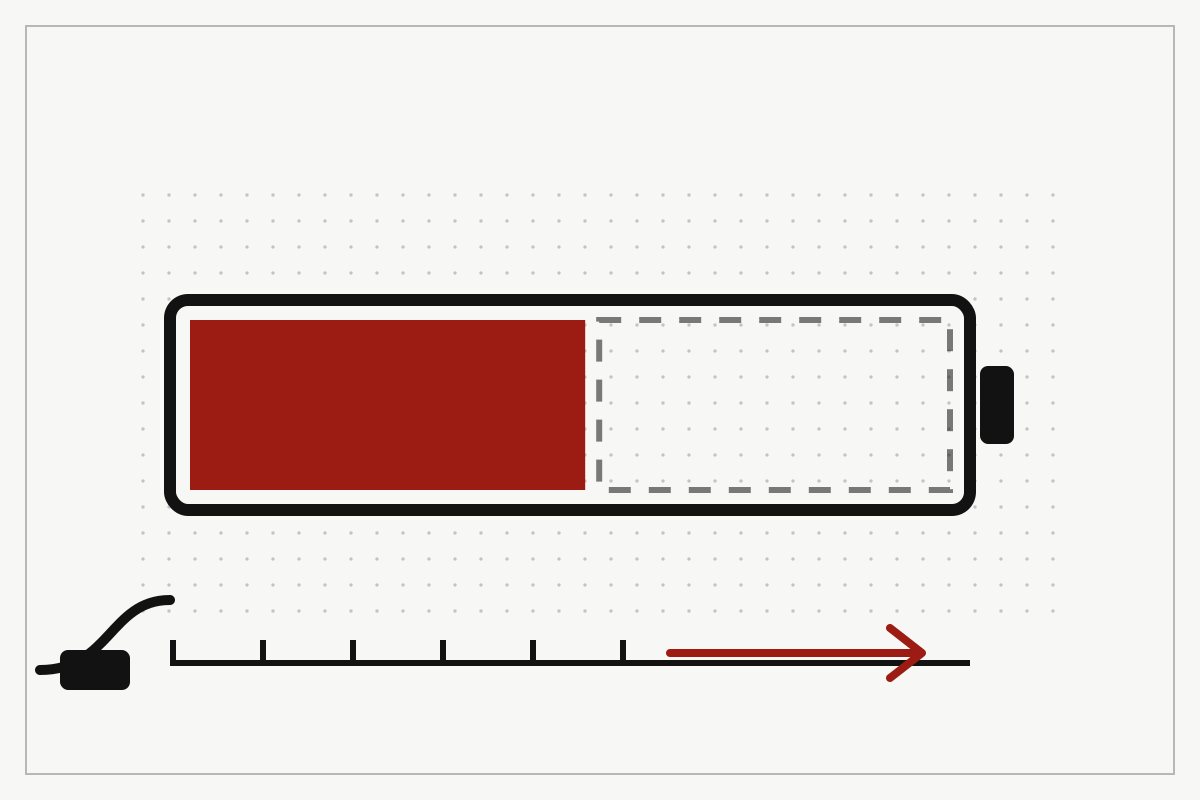
The spreadsheet constructed to demonstrate that an electric car pays for itself has entered its fourth revision, with break-even now situated comfortably in 2031.
“The savings exist,” said its author, refreshing a fuel-price cell. “They are further along than I initially modelled.”
The Institute for Net Enthusiasm observes that the owner has in fact purchased two things: a vehicle, and a document. Only one of them requires ongoing maintenance.
The arithmetic begins at a disadvantage. Buyers pay roughly seven to twelve thousand dollars more at the point of sale for an electric model than for a comparable petrol one, and the federal credit that used to absorb part of that gap in the United States expired at the end of September 2025.
“The subsidy was load-bearing,” said Institute director Dr. Halvard Prentiss-Uzo. “Remove it and the spreadsheet develops a lean.”
Insurance then arrives. Industry figures put full coverage on an electric vehicle at roughly forty per cent more than on a petrol equivalent — about $3,159 a year against $2,218 — narrowing to some eighteen per cent on the newest models, chiefly because the parts are proprietary and the repairs are slow.
“Every dollar saved at the pump is met at the mailbox,” Prentiss-Uzo said.
The advertised range is derived from a laboratory at 75°F with the climate control switched off, a condition the Bureau of Range Estimation notes has never once occurred outdoors. On a motorway at speed, drivers report fifteen to eighteen per cent less. In genuine cold with the heater running, road-club testing has found losses approaching forty per cent.
Owners further decline to use the final tenth of the battery under any circumstances.
“The car has one hundred per cent,” said Bureau analyst Dr. Marisol Achebe-Lunt. “The driver has eighty. The twenty in between is reserved for emergencies that are not permitted to occur.”
There is also the matter of where the thing was built. Roughly three-quarters of the world’s lithium-ion cells come from a grid in which coal remains the primary input, meaning the virtuous object is frequently assembled with the assistance of a great deal of un-virtuous electricity.
The Institute is careful here. Over a full lifetime the electric car still comes out ahead, even on a coal-heavy grid. The margin narrows. It does not reverse.
“It remains the better car,” Prentiss-Uzo said. “It is simply not the weightless moral object described in the brochure.”
The owner has recalculated. The vehicle pays for itself in 2031, at which point he intends to replace it.
- cars
- arithmetic
- virtue
More from Business
Business
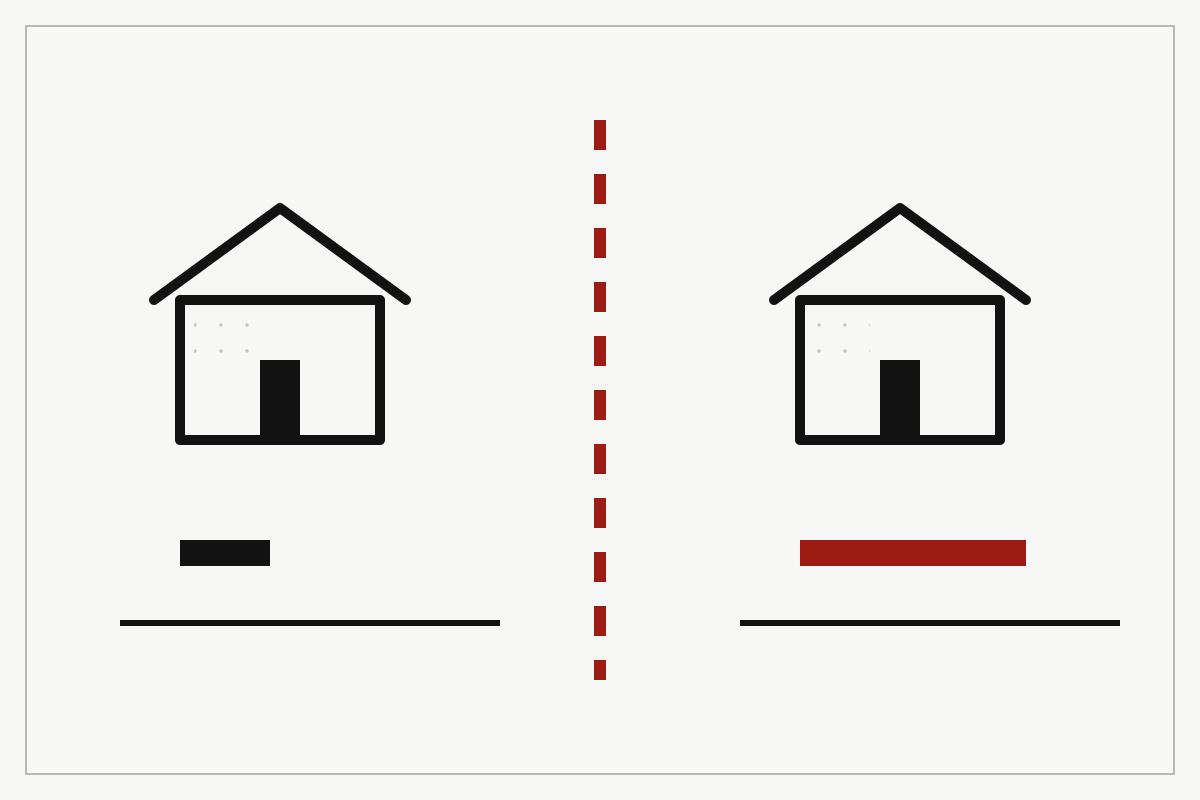
Line on Map Found to Add Several Hundred Thousand Dollars to an Otherwise Identical House
The structure is the same, the bricks are the same, and the line is about as wide as a kerb.
Business
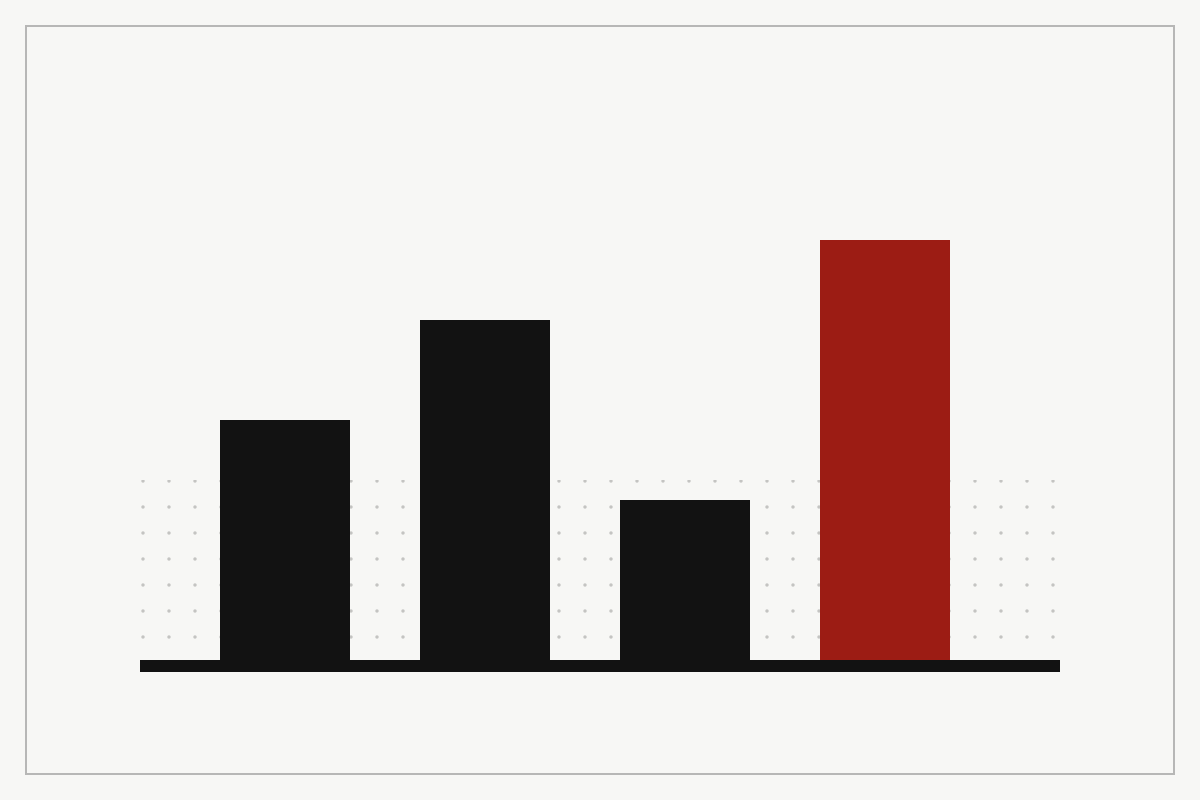
Meeting Concludes With Unanimous Agreement to Hold a Meeting
A follow-up has been scheduled to determine what the follow-up is about.
Business
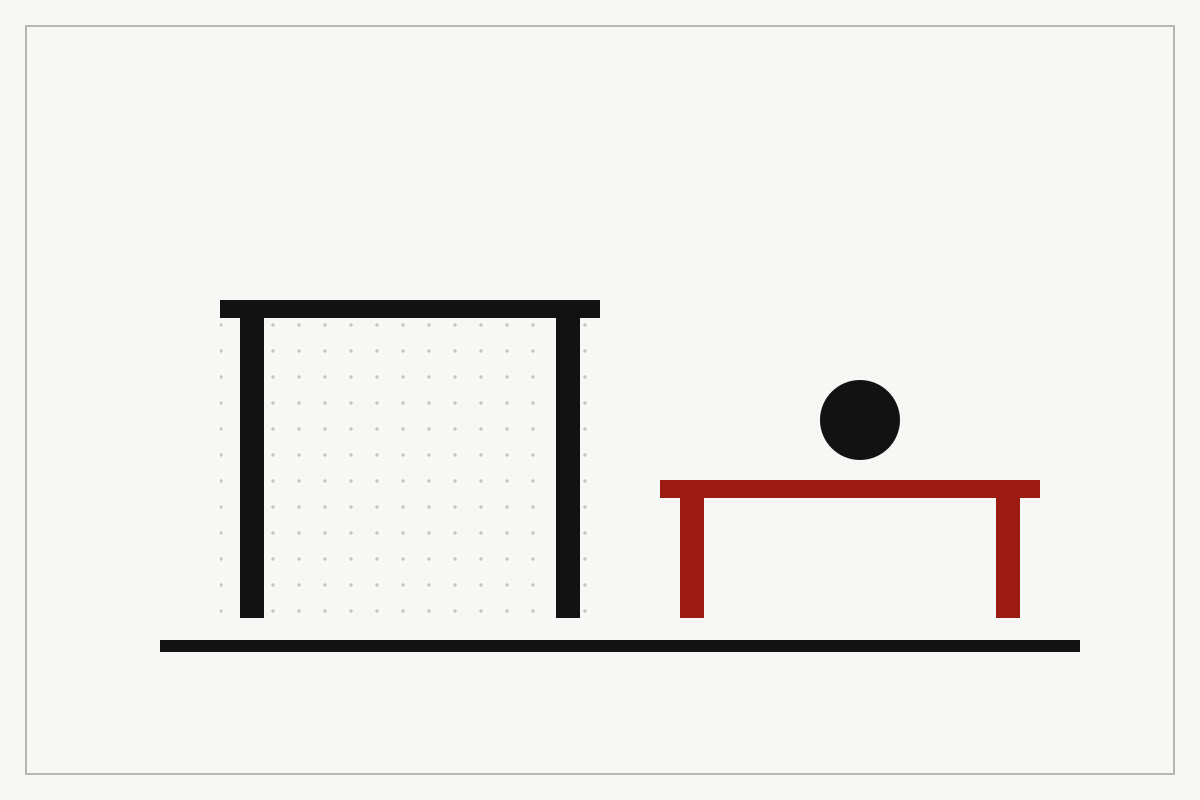
Standing Desk Raised Once, in March
Ergonomics researchers reclassify the purchase as a monument rather than a tool.